Durable flame retardant FR-CP for textile, 50 times wash

Author: shrichgroup

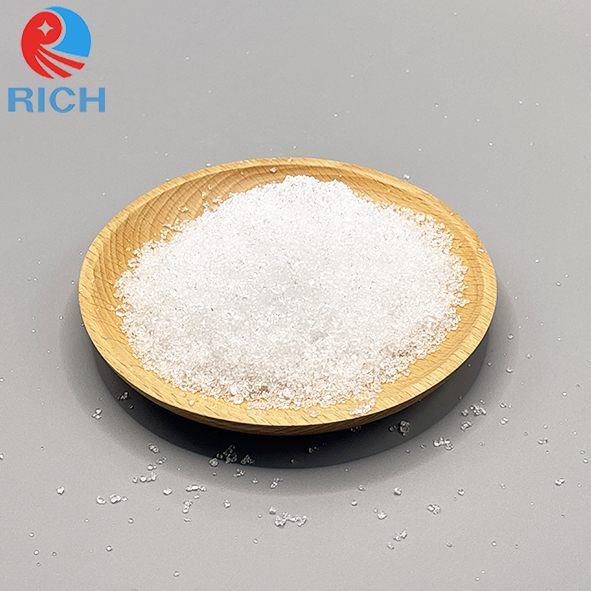
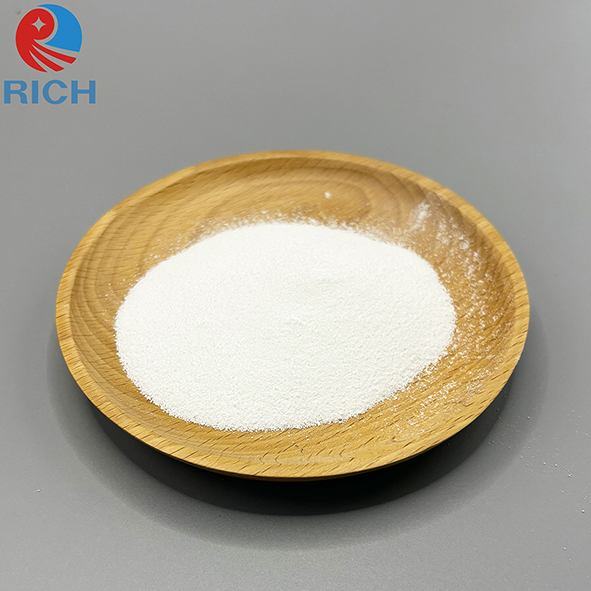
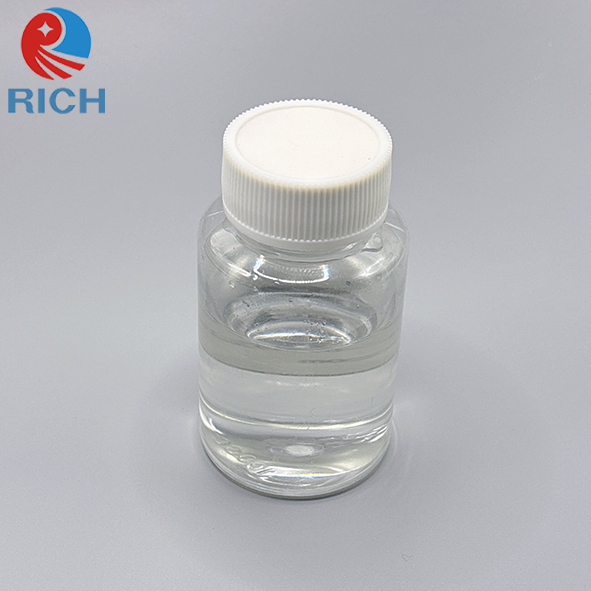
    Durable flame retardant FR-CP, the main component is 3-(Dimethylphosphono)-N-methylolpropionamide, organophosphorus chemical compound.

It is suitable for durable flame retardant finishing of cotton woven fabrics, knitted fabric, towel, drapery and canvas tents. The flame retardancy of finished fabric can reach B1 grade according to GB17591—2006.

    FR-CP has permanent flame retardancy due to the crosslingking of N-hydroxymethyl and fabric.With other additives, it can lead to a new multifunctional fabric with water repellent or oil repellent.It is one of the most representative of the phosphorus-nitrogen series flame retardant finishing agent.

Basic property

  • Appearance: colorless to light yellow transparent liquid
  • Solid Content: 80% / 89%
  • pH value: 2.0-6.0(10% aqueous solution)
  • Solubility: can be diluted with water by any ratio

FR-CP can replace Pyrovatex CP New, Itoflam CPN, Oxiflam P-DC New 

FR-CP is quivalent grade of Pyrovatex CP New, Itoflam CPN, Oxiflam P-DC New.

For more details pls contact wuting@shrichgroup.com, mob/wechat/whatsapp: +86 13166102802


Share

Recommended Posts

  • biocide THPS75%, widely used in oil drilling field and water treatment field.  Package: 1400kg/IBC, 18IBCs/20'FCL                  250kg/Drum, 4 drums/pallet,  80drums/20'FCL  
  •  the overseas team including their boss, technical engineer and purchase manager visited our Phosphates factory which mainly manufacture Yellow phosphorous,  sodium hypophosphite (SHPP), Tetrakis Hydroxmethyl phosphonium sulphate (THPS),  Tetrakis Hydroxmethyl phosphonium Chloride (THPC),  Tetrakis Hydroxmethyl phosphonium Chloride -Urea(THPC-U), etc. 
  • Sodium tripolyphosphate serves as a highly important additive in ceramic production, with its role extending far beyond a single function. Through its unique chemical properties, it effectively operates in multiple critical stages, significantly improving both the production process and the performance of the final product. As a long-proven and highly effective ceramic additive, the following outlines its main functions, mechanisms, and considerations: Core Functions & Mechanisms 1. As an Efficient Dewatering Agent and Dispersant This is the most important and widespread application of STPP in ceramic manufacturing. Mechanism of Action: Clay particles in ceramic slurries typically carry a negative charge but tend to attract each other, forming a "flocculated" structure that traps a large amount of free water. This leads to poor slurry fluidity and h...
  • toolbar
    toolbar
  • toolbar
    toolbar
  • toolbar
    toolbar
  • toolbar
    toolbar
  • toolbar
    Back to top